Website redesign: reasons, signals and how to do it

In a world where trends and technology change at a rapid pace, no company can rely on a website born many years ago for the long term.

What is a website redesign?

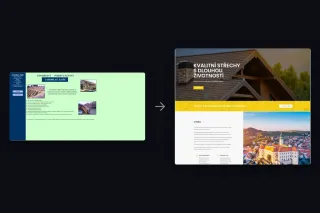
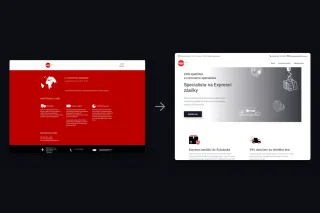
A website redesign is not just a cosmetic change or a new coat for your website. It is a comprehensive process that includes not only adjusting the appearance, but also improving the structure, functionality and overall user experience. The goal of a redesign is not just to make the website look more modern - it is to optimize it so that it better fulfills its purpose, whether it is increasing sales, better navigation for visitors or better search engine rankings.

We examine how people use the site, where they encounter obstacles and how they can be removed. An outdated or non-functional website can discourage visitors, which directly affects the success of the business. Therefore, a properly executed redesign does not only go into the depth of visual processing, but also into the very logic of the website's operation.

Your website is often the first point of contact between you and your customers, and users form their first impression in a split second. Studies show that up to 94% of a visitor's first impression is related to the visual design of your website. If the design is outdated or confusing, it can immediately turn off visitors.

Website redesign is not just about aesthetics – it’s also about functionality, speed and overall user experience. A modern and well-designed website can increase brand credibility and support business goals. Conversely, an outdated website with slow loading times or complicated navigation can cause visitors to turn to competitors. For example, surveys show that 88% of users will not return to a website if they have experienced a bad user experience.

In this article, we will explain:

  • Why regular website redesign is important and what benefits it brings.

  • How to know when it’s time for a change.

  • We will go through the main steps of a successful redesign process.

  • We will show examples of companies that have helped redesign achieve better results.

  • Finally, we will give you some tips on how to get started with redesign – and a call to action if you are looking for professional help to improve your website.

Why is a website redesign important?

A website redesign is not just a cosmetic issue – it brings a number of concrete benefits that can significantly affect the success of your online business. Here are the main reasons to regularly consider a redesign:

Better first impression and credibility: A modern design inspires trust in visitors. Up to 75% of the impression of the credibility of a website stems from its appearance and usability. If your website looks professional and up-to-date, customers will be more willing to buy from you or request a service.

Positive user experience (UX): A redesign often means improving the navigation, clarity and overall usability of the site. An easy-to-use website where visitors can quickly find what they are looking for increases user satisfaction. Satisfied users then spend more time on the site and are more likely to complete the desired action (such as filling out a form or completing an order).

Increased speed and performance: A newly designed website can be significantly faster by optimizing images, code and using modern hosting. Loading speed has a direct impact on user satisfaction and SEO. For example, Google found that 53% of mobile users will abandon a page if it takes longer than 3 seconds to load. With a redesign, you can reduce loading times and reduce the risk of visitors fleeing to your competitors.

Mobile and SEO optimization: Older websites are often not mobile-friendly or do not meet current SEO standards. Today, over 60% of all internet traffic comes from mobile devices, and search engines (Google, Bing, ...) prioritize mobile-optimized sites. A redesign will allow you to implement a responsive design that displays correctly on phones and tablets, while also adjusting the structure of the site so that it is better searchable in search engines (faster, with relevant content, correct use of keywords, etc.).

Increase conversions and business results: The ultimate goal of every business website is to support business - whether it is online sales, obtaining inquiries or other conversions. A quality redesign can significantly improve website performance. Studies show that a well-designed user interface can increase conversion rates by up to 200%. It’s no surprise that over 80% of businesses redesign their existing websites due to low conversion rates. A modern website can directly contribute to higher sales and a better return on investment in online marketing.

Signs that it’s time for a website redesign

How do you know that your website is outdated and needs a new coat of paint? Here are the main signs that you should put a website redesign on your agenda:

Outdated design and appearance: Your website feels like it’s stuck in the past decade. If your site’s visual style hasn’t been updated in a while, chances are it no longer feels modern or trustworthy. Experts often recommend a major website redesign about every 2-3 years to keep up with current trends and user expectations. An outdated website can turn off visitors simply by looking outdated or unprofessional.

Not mobile-friendly: If your site is not responsive (does not automatically adjust to mobile and tablet screens), you are missing out on a large portion of your potential visitors. Most people today browse websites on mobile devices, and a non-responsive design means a poor experience – for example, the user has to zoom in on content or has difficulty navigating. This leads to a quick bounce rate.

Slow page loading: Pages that take a long time to load frustrate users. Today’s visitors are impatient and expect pages to load quickly – more than half of them will give up if it takes more than 3 seconds to load. A slow website is a clear indicator that the technical side of your site needs improvement.

Poor user experience (UX): Do visitors complain that they can’t find anything on the site or are struggling with complicated navigation? If the site is cluttered, contains broken links, or outdated information, users will be frustrated. A high bounce rate or low average time spent on page in analytics tools is a red flag, as poor UX leads to user churn and loss of potential customers.

Low conversion or traffic rates: If your website isn’t delivering the results you expect—for example, you’re experiencing low form submissions, low e-commerce sales, or declining traffic—it could be because your website is outdated or ineffective. It’s a good idea to objectively assess whether your website is slowing down your business. A well-executed redesign can breathe new life into your website and bring customers back.

Key steps of the redesign process

The website redesign process itself consists of several phases. Each of them is important for the final result to meet expectations and bring the desired improvement. Typically, the redesign takes place in these steps:

Analysis of the existing website: First, you need to evaluate the current status. This includes analyzing data on traffic and user behavior (e.g. using tools such as Google Analytics), reviewing the current design and content, identifying weaknesses (e.g. slow loading, unclear navigation, outdated appearance) and also collecting feedback from users or clients. An important part is comparing it with competitor websites and finding out what your website is better or worse at. The output of this phase is a list of problems and opportunities for improvement. This step can be skipped partially or completely. Especially if you do not have any data and/or if it is a website designed in the "last century".

Defining goals and strategy: Based on the analysis, set clear goals for the redesign - for example, increasing sales, getting more inquiries or improving search engine rankings. Assign measurable indicators (KPIs) to these goals, according to which you will assess success (e.g. double the number of conversions, reduce the churn rate by X%, etc.). Next, determine the budget, timeline, and involve all key people in the company (marketing, sales, management) in the planning so that the process is in line with the overall strategy.

Designing a new design (UX and UI): Now comes the creative part. The UX designer will design the optimal structure of the website and the layout of elements (so-called wireframes) that will ensure intuitive operation. Subsequently, the graphic designer will create the visual appearance of the website (UI design) in accordance with your corporate identity and modern trends. At this stage, several design variants and interactive prototypes (for projects with higher ambitions and a sufficient budget) are often created, which can be tested on users. The goal is to design an attractive and functional appearance that meets the set goals (e.g. highlights important calls to action, makes it easier to find key information).

Development and implementation: Once the design is approved, the implementation itself begins. The development team codes the new website – either by modifying the existing one or by completely creating a new website on a modern platform or content management system (CMS). All content is also prepared at this stage: texts, images, videos. It is often necessary to revise or update existing content to match the new structure and goals. It is important not to forget about SEO – redirect old URLs to new ones, set meta tags and other on-page elements to avoid losing positions in search engines. Technical implementation also includes ensuring responsiveness (mobile version), cross-browser compatibility and performance optimization.

Testing and debugging: Before launching, the new website is thoroughly tested. This includes functionality tests (do all links, forms, shopping processes work?), cross-device and browser tests (whether everything works correctly in all common browsers and on mobile devices), as well as load and security tests. It is ideal to involve real users – let a few people from the target group test the beta version of the website and get their feedback on whether everything is understandable and easy to use for them. Based on the testing, final adjustments and fine-tuning of details are then made.

Launch and evaluation: After successful testing, it is time to transfer the new website to production. The launch is planned to go smoothly – often outside the peak of traffic and with a backup ready in case of complications. After the launch, it is necessary to monitor the performance of the website: watch for unexpected drops in traffic (for example, a temporary drop in search engines), check key metrics in analytics tools and evaluate how well the redesign has met the set goals. Often, small details are still fine-tuned based on real traffic and feedback from users.

Examples of successful redesigns

Theory is one thing, but concrete results speak for themselves. A successfully executed website redesign can have a major impact on a website’s performance. Here are two real-world examples that illustrate the benefits of redesign:

Crazy Egg: A well-known tool for analyzing user behavior on the web decided to completely redesign its website, and the results were immediate. In just 30 days after launching the new design, they saw a 21% increase in conversions (source picreel.com). This jump meant that significantly more visitors turned into paying customers than before. The Crazy Egg case shows that optimizing design, content, and calls to action can directly improve important business metrics.

Anglo-American University (AAU): A prestigious private university in Prague redesigned its website in an effort to improve the user experience and increase applicant interest. The redesign included a transition to a more modern content management system and an emphasis on a clearer structure of information for students. The result? After launching the new website, the university saw a 107% increase in the number of leads it received (source: davidkoci.cz) compared to the previous state. This is more than a twofold increase in interest from potential students. This redesign shows how high-quality user research and thoughtful changes to the website can dramatically improve the effectiveness of an organization's online presentation.

Conclusion: Website redesign as an investment in the future

In the digital world, trends and technologies change very quickly, so keeping the website modern is key. Therefore, website redesign is not just an additional expense, but a strategic investment - a modern, fast and friendly website will help you gain an edge over the competition, increase customer satisfaction and thus your sales. If you recognize some of the aforementioned warning signs on your website, there is no reason to delay - the sooner you start planning the redesign, the faster you will see positive impacts.

It pays to entrust your website redesign to experts who have the experience and can design a solution tailored to your needs. Don't hesitate and take the first step towards a more modern website - contact me for a non-binding consultation on website redesign. I will be happy to help you analyze your existing website, design an effective strategy and take your online presence to a new level that will attract visitors and turn them into customers.

If you want to know a little more about the elements of effective web design, I recommend reading the article How to Create a Successful Website.